HOME
/
REFERENCES
/
LEIBINGER Coding & Marking: Precision for product marking
Coding and marking technology

LEIBINGER Coding & Marking: Precision for product marking

LEIBINGER develops and produces high-quality systems for industrial product marking. The Tuttlingen-based family business is strengthening its precision welding processes with two ASKIAS laser welding systems, ensuring precise components, high-quality weld seams, and stable, reproducible workflows.
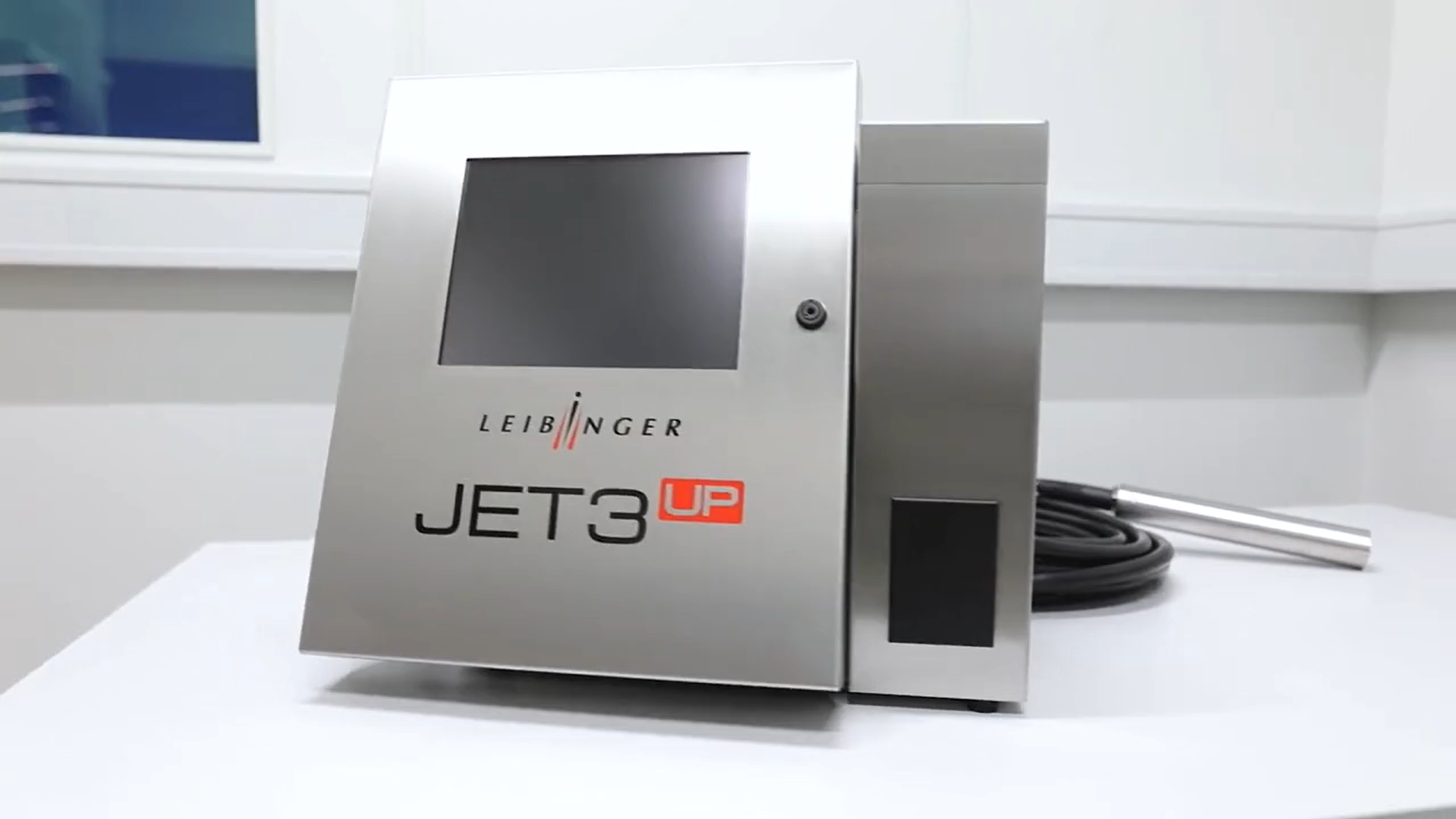
LEIBINGER develops and produces coding and marking systems (inkjet printing systems) as well as numbering machines in Tuttlingen.
The marking systems are used in sectors including food, beverage, and industrial goods production.
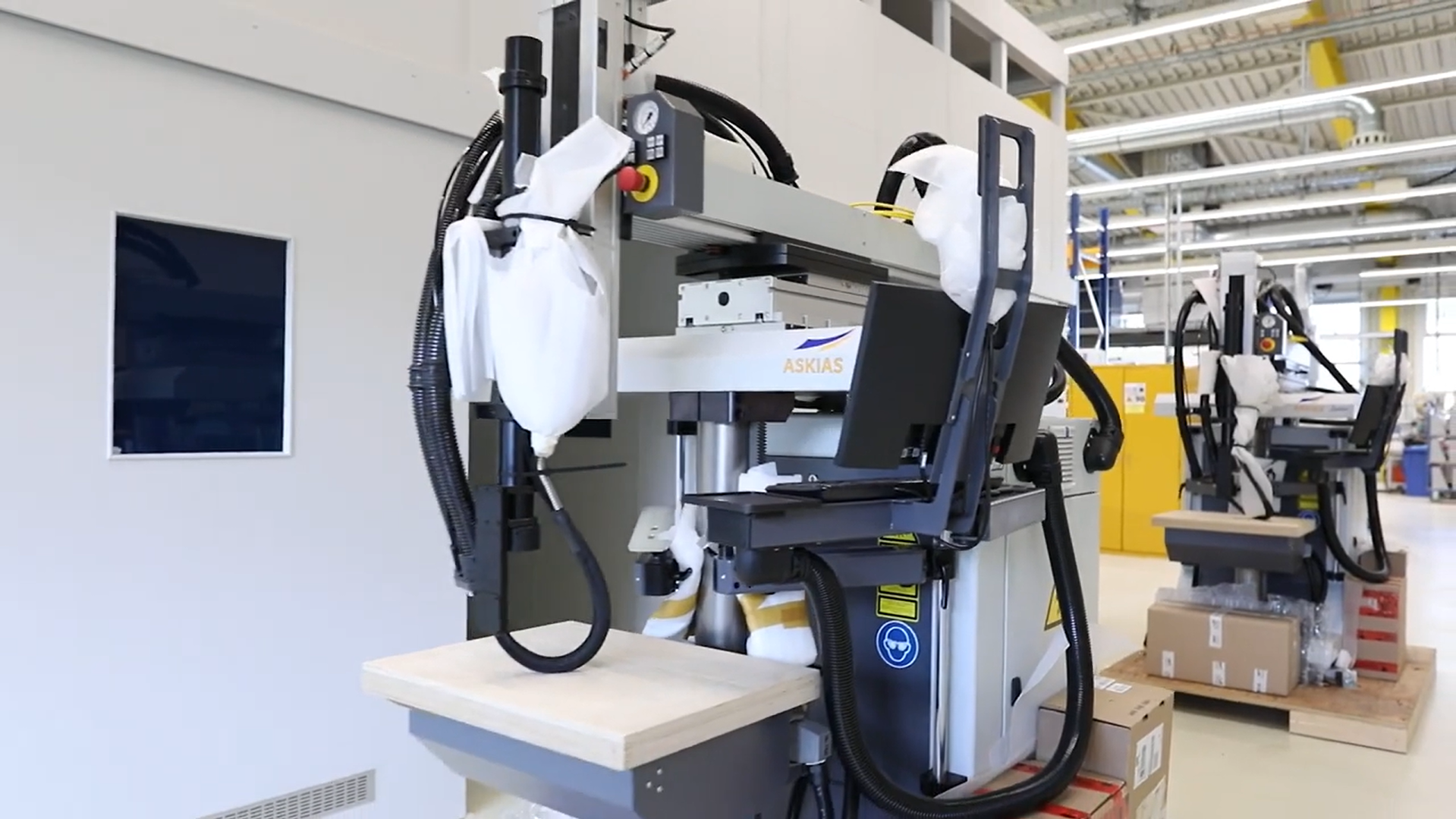
Using ASKIAS laser welding machines, LEIBINGER welds components such as valve eyelets, catcher tubes, and head covers, all of which have high requirements for precision and process reliability.

Precision and stable processes for demanding precision welding tasks

In LEIBINGER's sheet metal production, high demands on seam quality, component positioning, and material bonding converge. The company chose laser welding machines from ASKIAS, driven by the precise fibre laser technology, robust machine design, and flexibly programmable software.

Die Herausforderung

LEIBINGER wanted to manufacture small welded assemblies that were precise, strong, and crack-resistant, even when using challenging material combinations. At the same time, the goal was to eliminate the need for post-weld seam finishing and to stabilise processes.

Unsere Lösung

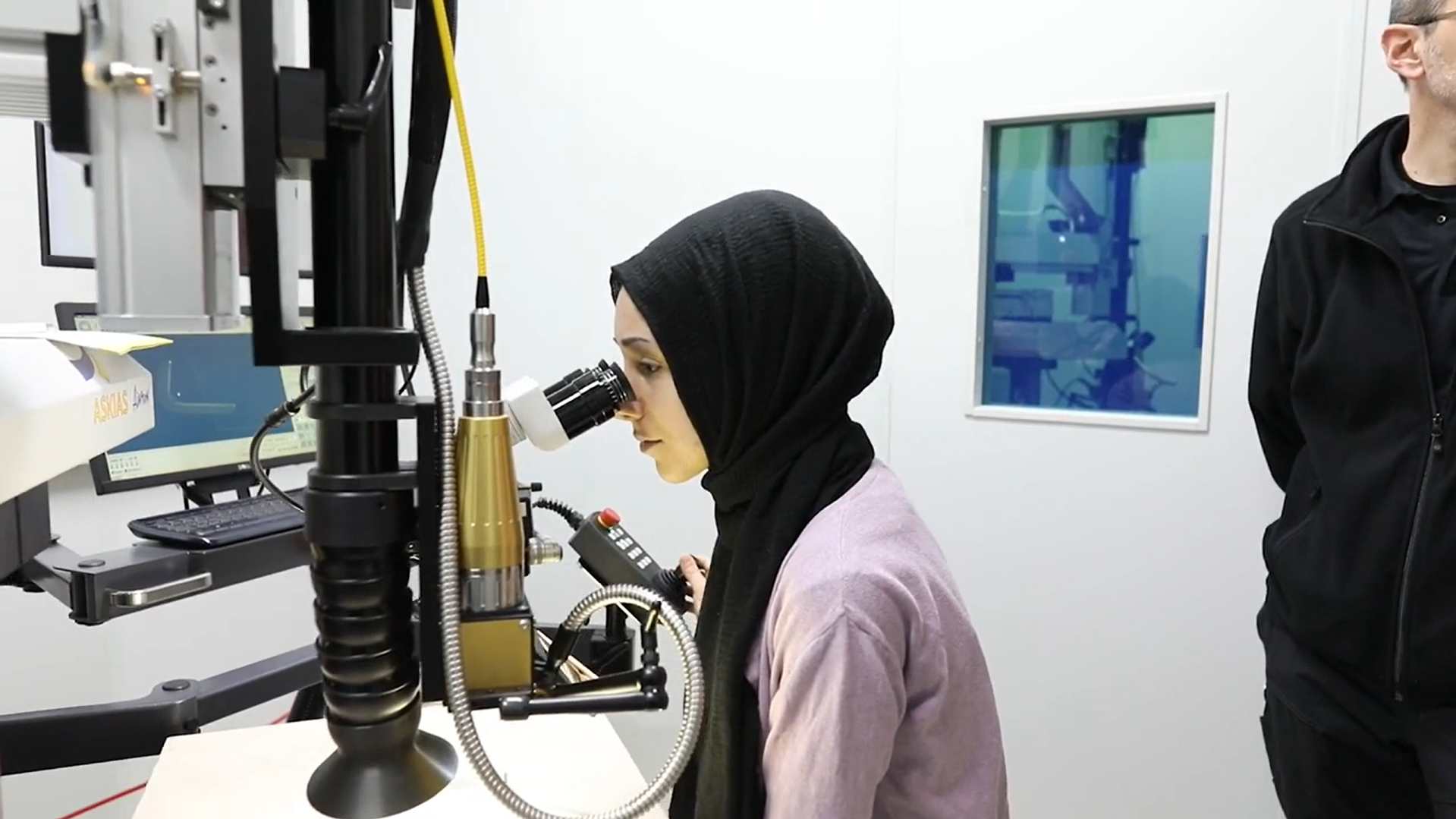
Two ASKIAS Adaption laser welding systems with fibre laser technology enable finer and more accurate welds. LEIBINGER expects high positioning accuracy from the stable machine base. The software simplifies the programming of spatial paths and path corrections.

Das Ergebnis

LEIBINGER is establishing the foundation for high-quality, reproducible weld seams on valve eyelets, catcher tubes, and head covers. The extended parameter options of the fibre laser and the flexible programming of the CNC-controlled axes increase process reliability and open up further potential for automation.

Frequently asked questions

Which components does LEIBINGER weld with ASKIAS laser welding systems?

LEIBINGER uses the two ASKIAS laser welding machines to weld valve eyelets, catcher tubes, and head covers. These components require high accuracy, high-quality weld seams, and process reliability. In addition to sheet metal production, the systems are also used to manufacture smaller welded assemblies.

Why does LEIBINGER rely on lasers for welding?

In sheet metal production, LEIBINGER only uses laser welding systems because they want to avoid any post-processing on the weld seams. Post-processing is time-consuming, costly, and makes the process unstable. The company wants to avoid this entirely.

What were the requirements for the new welding technology?

LEIBINGER welds together various materials that are not ideally suited for this purpose. The welds needed to be highly accurate and offer high strength without cracking. Furthermore, the process needed to be stabilised. The company also wanted to achieve significantly finer and more precise results in precision welding.

Why was fibre laser technology chosen?

With the fibre laser, LEIBINGER has more options regarding parameters than with the previous Nd:YAG technology. This makes the process more reliable and opens up possibilities that the company did not have before.

What are the benefits of ASKIAS software?

The software used in ASKIAS laser welding systems allows for greater freedom when programming in 3D space. Path corrections are relatively easy to perform, even when working close to the component or on internal features. This simplifies the programming process. As the Head of Sheet Metal Production at LEIBINGER explains in the video, this is significantly more complex with other system technologies.

How is LEIBINGER developing its production further?

The goal is to stabilise processes. The new systems represent the first step, with robotics set to be added in the second. In the long term, a 5-axis system from ASKIAS could be a third step, providing even more possibilities for laser welding.

"In our sheet metal production department, we only weld with lasers because we want to avoid any post-processing on the weld seams."

Lars Hoffmann
Head of Sheet Metal Production, Paul Leibinger GmbH & Co. KG
Weitere informationen

Laser welding in sheet metal processing

In equipment and mechanical engineering, sheet metal components must be manufactured precisely, durably and cost-effectively. Laser welding technology is particularly well-suited for fine sheet metal parts and functional components where high weld quality, low heat input and reproducible positioning are essential. This creates a robust foundation for high-quality equipment manufacturing and further automation.