HOME
/
REFERENCES
/
TKC: Precise mould repair with ASKIAS laser welding systems
Tool and mould making

TKC: Precise mould repair with ASKIAS laser welding systems

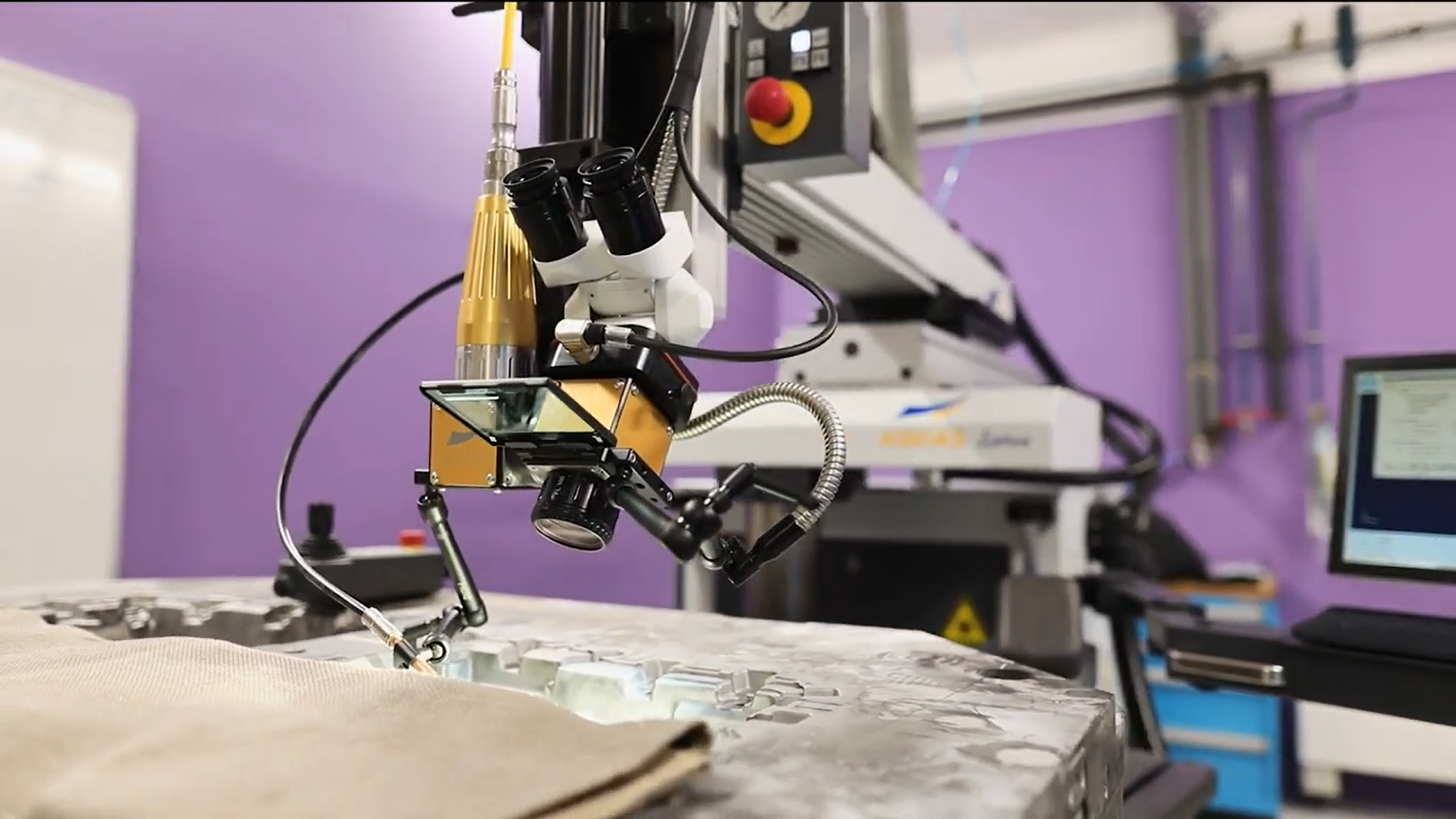
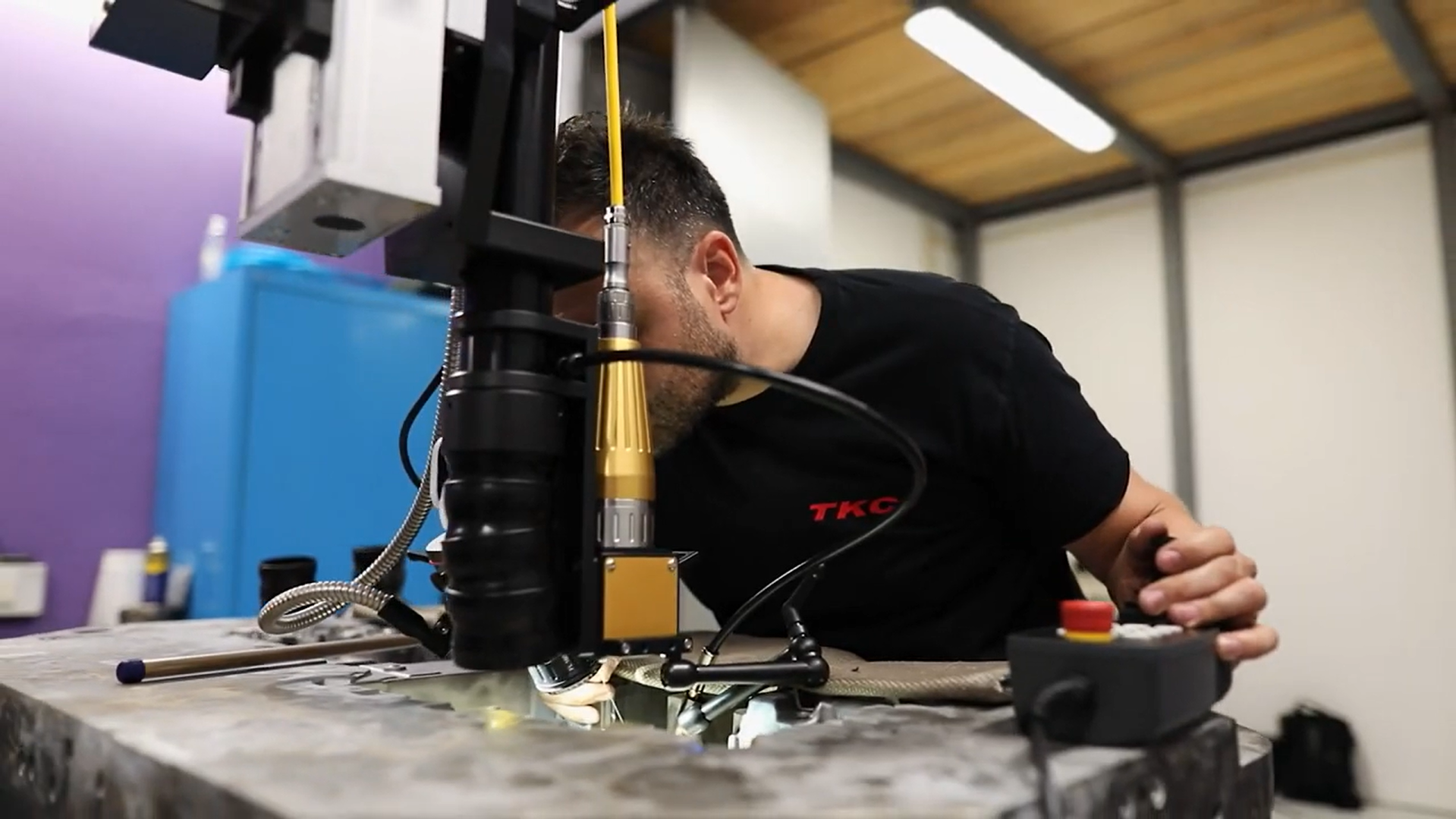
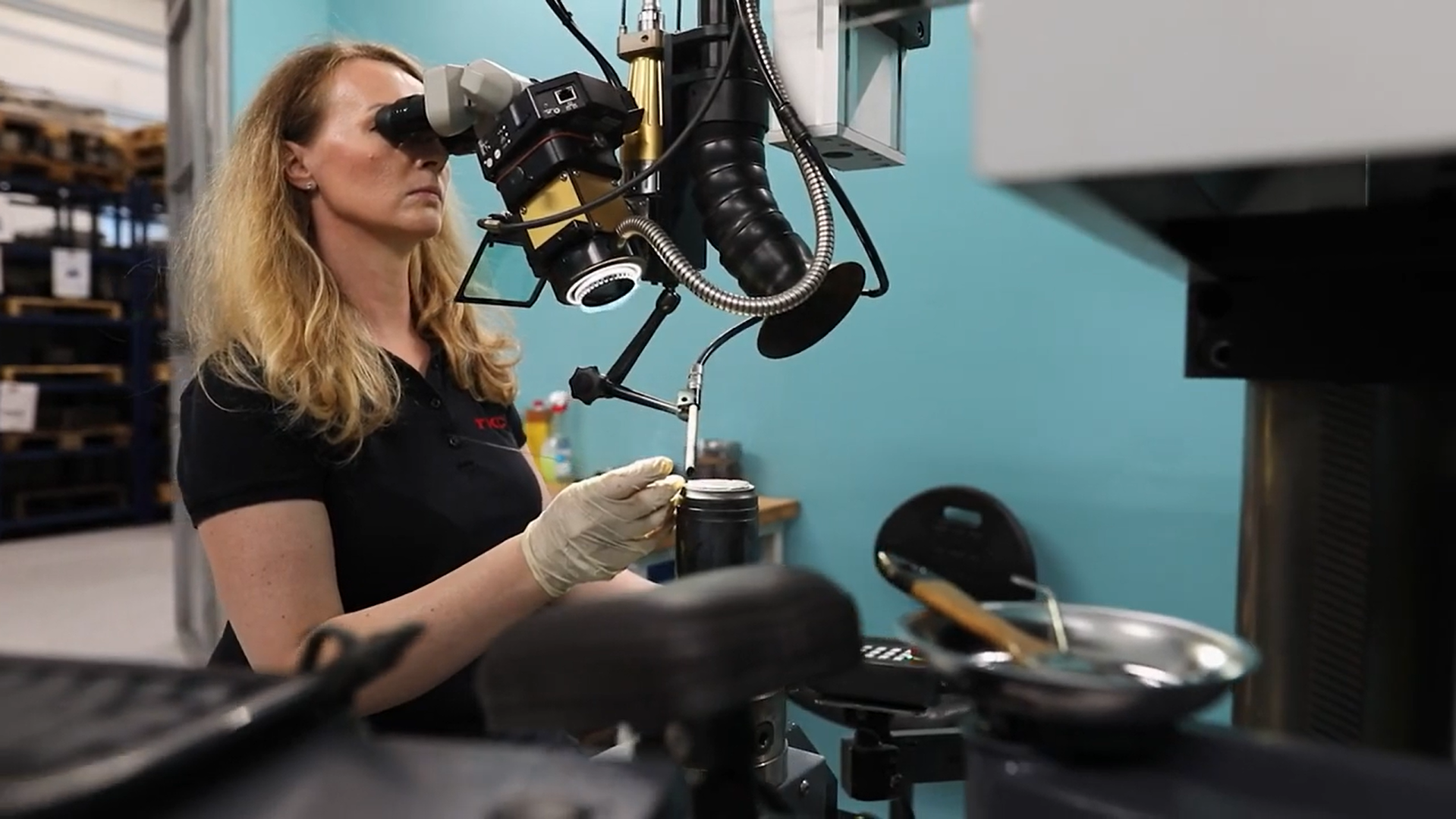
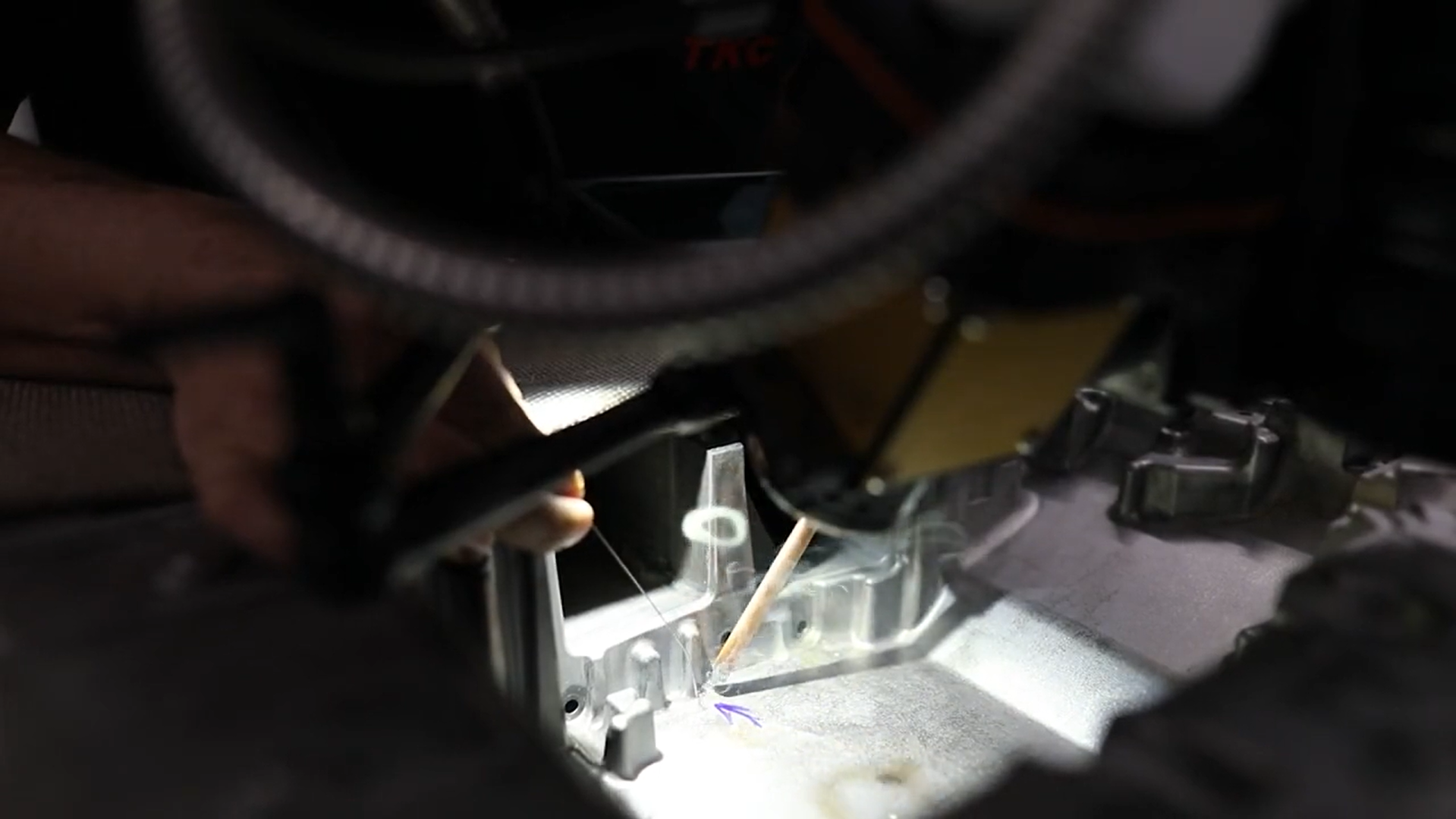
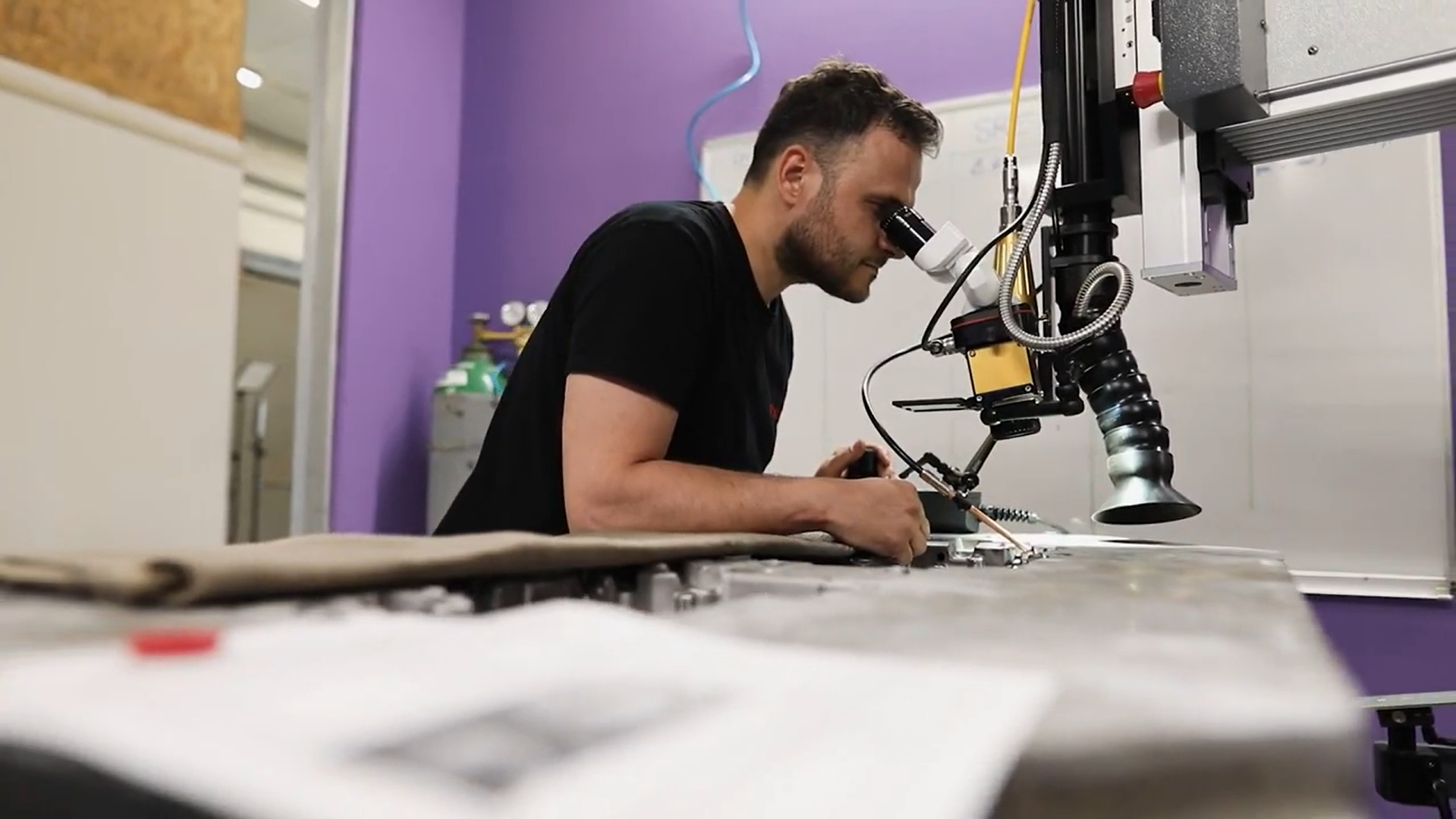
Based in Ljubljana, TKC has been the expert for repair welding in Slovenia for over 20 years. The company repairs damaged plastic, die-cast and injection moulds. Using ASKIAS laser welding systems and their own proprietary welding wires, TKC carries out complex repairs without the need for subsequent heat treatment.
The first ASKEA Group laser welding system was purchased in 2003, with twelve more following by the time the video was recorded.
Proprietary welding wires with diameters from 0.1 to 1 mm for a variety of materials.
Combining welding engineering expertise with practical experience in mould repair.

Repair with precision. Apply heat with accuracy. Get moulds back into production.

Damaged moulds place high demands on welding technology and material knowledge. TKC combines reliable ASKIAS systems with its own welding consumables and experienced specialists to carry out targeted repairs and, where possible, avoid additional heat treatment.

Die Herausforderung

Damaged plastic, die-cast and injection moulds require precise repair. With TIG welding, internal stresses can necessitate subsequent heat treatment. Therefore, a repair process is needed that applies heat precisely and covers a wide range of materials.

Unsere Lösung

TKC relies on ASKIAS laser welding systems and self-developed welding wires with diameters from 0.1 to 1 mm. Precise energy input, suitable welding consumables and in-depth material knowledge enable targeted repairs on both small and large workpieces.

Das Ergebnis

TKC carries out suitable mould repairs without subsequent heat treatment. The systems impress in daily use with their precision, reliability and ease of operation. Fast support and the quick dispatch of spare parts complement the long-standing partnership.

Frequently asked questions

What types of repairs does TKC undertake?

TKC specialises in repair welding and restores damaged plastic, die-cast and injection moulds, among others. The company uses both laser welding and TIG welding for this purpose, supplementing the processes with heat treatment when necessary.

Why does TKC rely on laser welding for mould repair?

Laser energy can be applied to the repair area with high precision. This allows TKC to carry out suitable repairs without subsequent heat treatment. In contrast, after TIG welding, the company uses special vacuum furnaces to relieve internal stresses when required.

What is the significance of the self-developed welding wires?

TKC produces its own welding wires with diameters from 0.1 to 1 mm. They have been developed for tool steels, stainless steels, non-ferrous metals and special materials such as nickel or cobalt. This allows the team to match the welding consumable to the specific material and repair task.

What is it about ASKIAS systems that convinces TKC?

Technical Manager Klemen Pompe highlights their reliability, precision, ease of use and flexibility. TKC uses the systems to process both small and large workpieces. Their confidence is also reflected in their follow-up investments: after the first system from the ASKEA Group was purchased in 2003, twelve more were acquired.

What role does support play in the partnership?

TKC speaks highly of the rapid response and professionalism of ASKIAS support. Klemen Pompe also notes that ordered spare parts are dispatched on the same day. For TKC, this support complements the quality of the systems in daily operation.

"We bought our first ASKEA laser welding system in 2003 and were so convinced by the quality that we have purchased twelve more since then."

Klemen Pompe
Technical Director and Head of Research & Development, TKC d.o.o.
Weitere informationen

Laser welding in tool and mold making

Whether it is a damaged mould contour, a worn tool or precise material deposition: controlled energy input and the right welding consumables are crucial in tool and mould making. ASKIAS laser welding systems allow for the processing of various materials, component sizes and complex contours.